
Tag: Live Dealer Casino

Live Casino

The Advantages and Limitations of Live Dealer Games for Players

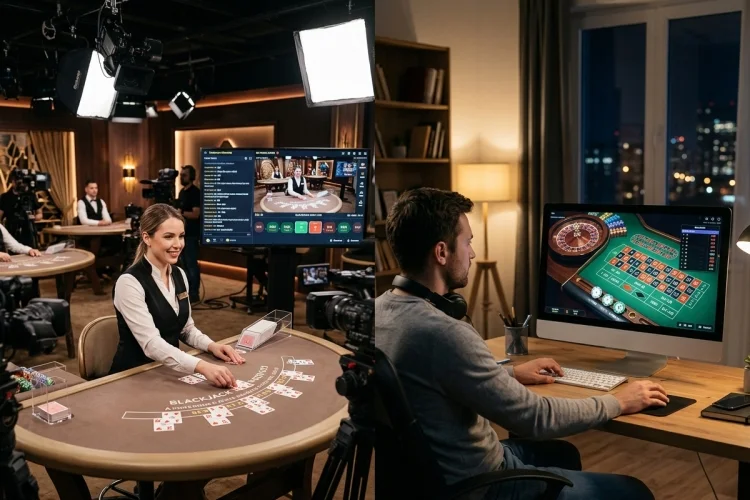
Players choosing an online table game often face two broad formats. Fully digital games generate and display results through software, while live dealer products stream a real presenter conducting the game with physical cards, wheels, or other equipment.

Live play may appeal to users who value visual realism, social interaction, and a pace similar to a physical casino. Digital games may suit those who prefer faster rounds, lower device demands, or the ability to pause between decisions.

Neither option is automatically safer, fairer, or more profitable. The operator’s licence, table rules, payout structure, connection quality, and individual gambling habits matter more than presentation alone.

Understanding the advantages and limitations of live dealer games allows players to compare the formats realistically. The aim is not to find a guaranteed winning table, because none exists.

It is to choose an experience whose pace, rules, technical requirements, and financial boundaries are clear before money is placed at risk.

Live Dealers Provide a Stronger Sense of Presence

A real presenter gives the game a recognizable human rhythm. Players watch the dealer shuffle cards, announce results, and prepare each new round.

Purpose-built studios can use detailed sets, themed uniforms, professional lighting, and several camera angles. Providers also create localized environments with dealers who speak different languages or understand particular markets.

Digital tables may offer polished graphics, but they do not reproduce the same human presentation. Whether that difference improves the experience depends on personal preference.

Live Interaction Can Make Games More Engaging

Chat features allow players to send messages to the presenter and sometimes communicate with other participants. This introduces a limited social element without requiring a visit to a casino venue.

ONE Blackjack combines host communication with multiplayer access, live support, statistics, and betting history.

Social engagement can also make time pass less noticeably. Players should avoid letting conversation or entertainment value override a planned stopping point.

Physical Procedures May Increase Perceived Transparency

Some players prefer seeing real cards and wheels because they can observe the physical result. Multiple camera views may show card values, dealer actions, and roulette outcomes in detail.

However, the appearance of transparency is not enough. A trustworthy live service requires controlled equipment, trained staff, secure areas, supervision, audit trails, and recorded gameplay.

UK standards for licensed studios require fair and independently auditable operations, dealer training, surveillance, and logs. Players should still verify that the casino itself is authorized in their jurisdiction.

Live Games Offer Familiar and Inventive Formats

The category includes conventional blackjack, roulette, baccarat, sic bo, and poker-style games. It also includes game shows that mix physical studio elements with multipliers, animations, or bonus mechanics.

This variety can serve both traditional table-game players and users who prefer entertainment-focused formats. Pragmatic Play’s portfolio combines standard live tables with speed games, multiplayer features, game shows, side bets, and digital statistics.

Additional features can make the rules more complicated. A branded roulette game with multipliers may have a different payout model from standard single-zero roulette, so the paytable must be read carefully.

Live Play Usually Requires More Waiting

Fully digital casino games can produce a result soon after the player presses a button. A live dealer table must follow betting, dealing, decision, settlement, and preparation stages.

Even speed-focused products retain a visible cycle. Speed Roulette averages about 25 seconds per round, while speed blackjack uses simultaneous and automated decisions to reduce waiting.

The slower pace may help users think before betting again. It may also feel inconvenient when dealers change, equipment is checked, or another blackjack participant takes time to decide.

Seats and Betting Limits Can Restrict Access

Some live blackjack tables contain a fixed number of seats. When every position is occupied, users may need to wait, bet behind another hand, or select a different table.

Providers have created scalable alternatives. ONE Blackjack uses a single shared position while allowing many players to make individual decisions. In contrast, certain VIP tables intentionally limit access to a small number of users.

Table minimums and maximums also vary. Dedicated environments may use flexible limits based on the operator, player group, or market. A minimum wager that appears small can still become expensive across repeated rounds.

Streaming Creates Technical Limitations

A live game needs more bandwidth than a simple text or low-animation interface. Video, audio, wagers, account updates, and results must remain synchronized.

Poor connectivity may cause buffering or delayed interaction. GLI guidance recommends equivalent audiovisual feeds, disclosed minimum connection requirements, and procedures for disconnections and interrupted data streams.

Players using mobile data should also consider consumption and signal stability. A long high-definition session may use more data and battery power than a standard digital table.

The Atmosphere Can Encourage Longer Sessions

Live games are designed as entertainment. Dealers, studio décor, chat, statistics, and continuous tables may make it easy to move from one round to the next without reviewing total spending.

Reality checks can display the amount of time elapsed and provide links to account history or exit options. UK standards require licensed remote operators to offer accessible reality-check facilities for relevant games.

Players should also set a monetary limit. WHO identifies financial distress, relationship difficulties, and diversion of household spending among the possible harms associated with gambling.

How to Decide Whether Live Games Suit You

Choose live play when you value interaction, physical presentation, and a slower structured pace. It may also suit players who understand traditional table rules and want to see the procedure unfold.

A digital game may be more practical when the connection is unstable, time is limited, or the available live tables have unsuitable minimum stakes. Neither format should be selected because it appears likely to produce more wins.

Before playing, confirm the licence, game rules, betting range, side-bet payouts, disconnection policy, and session tools. In Great Britain, the Gambling Commission recommends checking the business through its public licensing register.

Live dealer games offer human presentation, social interaction, visible physical procedures, and access to both traditional tables and modern game-show formats. These qualities can create a more immersive online casino experience.

The limitations include slower gameplay, seat restrictions, minimum wagers, short betting windows, device demands, streaming interruptions, and the possibility of losing track of time.

Live presentation does not eliminate the casino advantage or guarantee that an operator is legitimate. Compare the table with digital alternatives, verify the licence, and test your connection before committing money.

Set a firm session length and loss limit, and leave immediately when either boundary is reached.

Table Games

The Most Popular Table Games in Online Casinos: RNG vs. Live

Modern online casinos can offer two versions of the same table game. One blackjack table may use computer-generated cards and finish a round within seconds, while another streams a dealer who shuffles and deals physical cards.

Roulette, baccarat, poker-style games, and craps can also appear in automated or live formats.

These products share familiar rules, but their result-generation systems, pace, presentation, and social features are different. Virtual games generally use random number generator software, often called an RNG.

Live dealer products use physical cards, wheels, dice, and studio equipment connected to an online betting interface.

Examining the most popular table games in online casinos through this distinction helps players understand what happens after a wager is submitted.

It also prevents a common misconception: a human dealer does not automatically create better odds, and computer animation does not automatically make a licensed game unfair.

Each version must follow its stated rules and regulatory requirements. Players should compare the complete game information rather than judging fairness from presentation alone.

How Virtual Table Games Produce Results

Virtual blackjack, roulette, baccarat, and dice games use software to generate outcomes. The visible cards or spinning wheel are digital representations of the result.

The game’s theoretical performance can be assessed through return-to-player monitoring. Actual RTP is calculated by dividing total player winnings by total turnover, although short-term results can vary because volatility must also be considered.

A virtual game can usually operate continuously without waiting for a dealer. This makes automated tables convenient but can also increase the number of wagers completed during a session.

How Live Dealer Games Work

A live dealer table combines video streaming with digital betting controls. Players submit wagers through the casino interface while a dealer handles real equipment in a studio.

Live roulette relies on a physical wheel, while live blackjack and baccarat use actual decks of cards. Regulators emphasize controls over card shuffling, dealing processes, roulette-wheel integrity, equipment installation, and continuing operation.

British technical standards also require live dealer operations to be fair and independently auditable.

Virtual and Live Roulette

Virtual roulette uses RNG software to select the result before presenting an animated wheel spin. Live roulette shows a dealer spinning a real wheel and releasing a physical ball.

Both formats commonly offer straight-up numbers, splits, streets, columns, dozens, red or black, and odd or even bets. A single-number wager typically pays 35 to 1.

Available UK research found both formats widely used among surveyed online casino customers. Virtual roulette had the highest 12-month participation, while live roulette was tied with poker for the second-highest figure in that study.

Virtual and Live Blackjack

Virtual blackjack can deal cards immediately and may allow players to control the pace. Live blackjack follows the same basic objective but includes a dealer, betting window, card handling, and real-time settlement.

In both versions, players aim to finish closer to 21 than the dealer without busting. Typical decisions include hitting, standing, doubling, splitting, and sometimes surrendering.

The precise rules matter more than the presentation. A virtual table and live table may use different blackjack payouts, deck numbers, dealer procedures, or splitting restrictions.

Baccarat in Automated and Live Studios

Virtual baccarat uses digitally generated cards, while live baccarat streams cards dealt from a physical shoe. The central wager remains a prediction of whether the Banker hand, Player hand, or neither will finish closest to nine.

The drawing rules are predetermined, meaning players generally make no further decision after choosing a wager. Banker wins commonly involve a commission, although alternative baccarat variants may use modified payouts.

Live baccarat is often presented with multiple camera angles, road maps, and game-history displays. These records describe previous outcomes but do not reliably predict the next hand.

Online Poker Requires an Important Distinction

Peer-to-peer poker cannot be described simply as an RNG table game or a live dealer game. Software deals the cards, but customers compete against one another rather than the operator taking the role of the opposing hand.

The operator generally earns revenue through a rake or tournament fee. Regulatory material explicitly distinguishes peer-to-peer poker from games played directly against the casino.

Casino poker variations are different. Games such as casino stud poker or three-card poker usually involve a dealer hand and house-controlled payout rules.

Online Craps and Digital Dice Tables

Automated craps uses software-generated dice results and presents the outcome through animation. Live craps or live dice games use physical dice and studio staff.

The basic Pass Line sequence remains familiar. Seven or eleven wins on the come-out roll, while two, three, or twelve loses. Another eligible number becomes the point, which must appear again before seven.

Craps contains many additional wagers, so players should confirm whether the online version uses traditional rules or a modified format such as crapless craps.

Choosing Between RNG and Live Tables

Virtual games generally offer faster rounds, continuous availability, and lower minimum stakes. Live tables offer visible dealers, physical equipment, real-time interaction, and a pace closer to a land-based casino.

Neither format changes the need to review RTP or house-edge information, payouts, side bets, and table limits. A game’s rules can have a greater mathematical impact than whether it is automated or live.

Speed is also important. UK research found virtual blackjack was more likely than several other surveyed games to be described as too fast by some respondents. Slower play does not guarantee lower losses, but it can make spending easier to observe.

Popular table games are now available through both RNG and live dealer technology. Virtual versions use software to generate and display outcomes, while live tables combine digital wagers with real dealers and physical equipment.

Roulette, blackjack, and baccarat work well in either format. Poker requires a distinction between peer-to-peer competition and house-banked games, while online craps may use virtual or physical dice.

Choose according to the desired pace, interface, minimum stake, and level of interaction-not assumptions about which format is luckier.

Verify the operator’s licence, read the specific table rules, and check the total wager before every round. Set affordable time and spending limits, and leave the table when either limit is reached.

Casino Games

The Most Common Types of Online Casino Games and How They Work

Two online casino games can look similar on a screen while using completely different systems to produce their results. A virtual roulette table may use random number generator software, whereas a live version relies on a physical wheel.

Video poker gives the participant card-selection decisions, while a slot usually determines the complete outcome without meaningful player influence.

Looking at the most common types of online casino games through their underlying mechanisms makes the differences easier to understand.

Games can be grouped by whether they use RNG software, live equipment, player decisions, number draws, peer-to-peer competition, or time-sensitive cash-out mechanics.

The technology behind a game does not determine whether an individual session will be profitable. Licensed RNG titles can produce long losing sequences, and a live dealer does not improve the mathematical odds merely because a person is handling the cards.

Players must still read the rules and recognize that the casino or operator generally retains an advantage through the game design, payout structure, or fees.

RNG-Driven Reel Games

Online slots are the best-known examples of RNG-driven casino games. The software generates a numerical selection and maps that value to a specific arrangement of symbols or prize outcome.

The UK Gambling Commission requires RNG-driven online games to undergo software and gameplay testing. Operators must also monitor products after release to ensure that they continue working fairly as designed and advertised.

Random does not mean that all prizes are equally likely. Low-value symbols can be programmed to appear more frequently than rare bonus or jackpot combinations.

Virtual Table Games

Virtual blackjack, roulette, baccarat, and casino poker recreate traditional table games through software. They often move faster than live versions because no physical dealer needs to shuffle cards, spin a wheel, or collect chips.

The underlying result is normally generated by RNG software and translated into animated cards, dice, or wheel outcomes. The game must still follow its published mathematical rules.

Research published by the UK Gambling Commission identifies virtual roulette and virtual blackjack among the established non-slot online casino categories used by consumers.

Live Dealer Games

Live casino products use real dealers and physical gaming equipment shown through a video stream. Bets are entered electronically, but cards, wheels, and other devices produce the visible results.

Regulatory guidance explains that live dealer games require controls over equipment supply, installation, operation, card handling, studio security, and auditability.

The format commonly includes roulette, blackjack, baccarat, game-show wheels, and poker-inspired tables. Live presentation changes the atmosphere and pace, but it does not remove the house advantage.

Decision-Based Card Games

Blackjack and video poker stand out because player decisions can influence how a hand develops. In blackjack, the participant chooses whether to request another card, keep the current total, double the wager, or split a pair when permitted.

Video poker allows the player to hold selected cards and replace the rest. The final hand is compared with a fixed paytable rather than against another person.

These games involve decision-making, but that does not provide complete control. Initial cards and replacements are still randomly determined, and rule variations can change the theoretical return.

Number-Draw Games

Bingo and keno use randomly selected numbers rather than reels or conventional card hands. In bingo, the participant follows a numbered card and attempts to complete a required pattern.

The UK Gambling Commission describes bingo as equal-chance gaming that includes participation and a clearly communicated end point.

Keno usually asks players to select several numbers before a draw. The prize is calculated according to the number of matches and the game’s payout table. Both categories may be offered as scheduled multiplayer rounds or faster automated products.

Peer-to-Peer Games

In most casino products, the participant plays against rules established by the house. Peer-to-peer poker uses a different structure because customers compete against each other.

The operator hosts the platform, manages the game, and may collect a rake or tournament fee instead of taking the opposing side of each hand. Regulators formally distinguish peer-to-peer poker from games played directly against the casino.

Success can depend on card probabilities, betting decisions, position, and the behavior of other players. However, poker still involves uncertainty, and experienced participants can create an additional challenge for beginners.

Instant-Win and Crash-Style Games

Instant-win products resolve a wager quickly through a reveal, scratch, pick, wheel, or similar interactive presentation. The animation may create a sense of participation even when the main outcome has already been determined by software.

Crash-style games use a rising multiplier that can end suddenly. The participant must choose when to cash out; failing to exit before the crash results in the loss of the stake. UK regulatory guidance recognizes this required cash-out decision as a defining part of the format.

The rapid pace can make spending difficult to track. Players should use session reminders, deposit limits, and a fixed stopping point.

Comparing RTP, Pace, and Volatility

Return to player represents the theoretical proportion of total stakes a game is designed to return as prizes over extensive play. It is not a guarantee for one person or one session.

A game displaying an 85% RTP, for example, does not promise to return 85 units from every 100 units wagered during a short visit. Random games rely on statistical probabilities, and previous wins or losses do not change the next independent outcome.

Pace also matters. Faster rounds allow more wagers to be placed in the same amount of time, potentially increasing total exposure even when the individual stake appears small.

The most common types of online casino games can be distinguished by how their outcomes are created. Slots and virtual tables typically use RNG software, live casino games use physical equipment, and decision-based card products allow limited player choices.

Bingo and keno rely on number draws, poker can involve peer-to-peer competition, and instant-win or crash games emphasize rapid outcomes.

Understanding the technology helps players identify what they can and cannot control. It also makes it easier to compare pace, paytables, RTP, and betting structures.

Before placing a real-money wager, verify the operator’s licence and read the complete game information. Set firm time and spending limits, avoid chasing losses, and select games for entertainment value rather than believing one mechanism guarantees better results.